A Practical Guide to Junior Golf Development
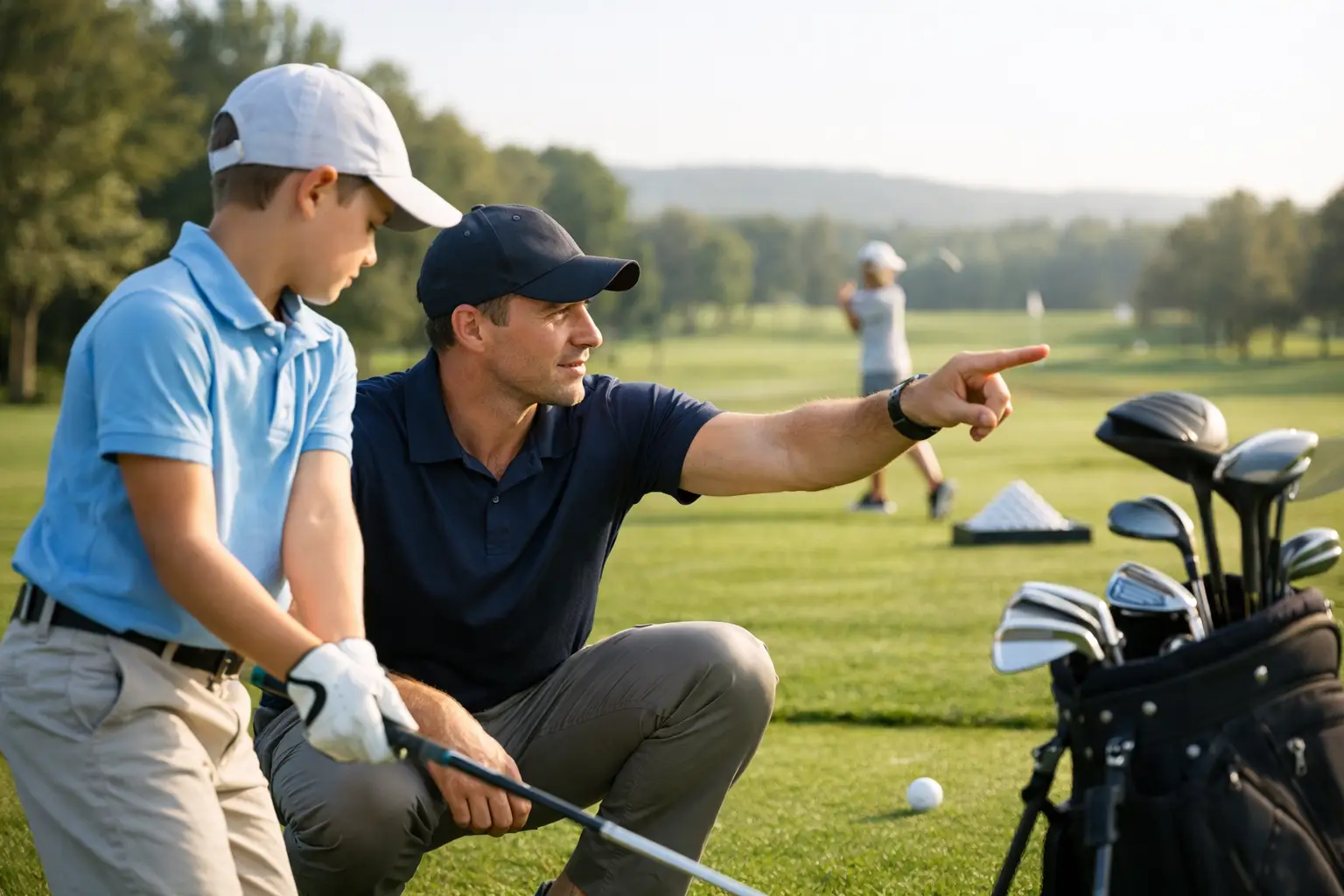
A young golfer does not need to hit a 250-yard drive to make meaningful progress. They need a clear next step, feedback they can understand, and an environment where improvement feels exciting rather than intimidating. This guide to junior golf development focuses on building capable, confident players through age-appropriate coaching, purposeful practice, and experiences that keep them eager to return.
For parents, the goal is bigger than a better score. Golf can teach patience, self-management, accountability, and how to respond when a shot does not go as planned. The right development path gives juniors room to enjoy those lessons while steadily building real skills.
Start With Athletic Skills, Not a Perfect Swing
Junior golf development works best when coaches meet each player at their current stage. A first-time golfer may need to learn balance, grip pressure, alignment, and how to make solid contact. An experienced junior may need to manage face control, improve distance gapping, or develop a more reliable pre-shot routine.
Trying to force an adult-style swing onto a growing body is rarely productive. Young players develop at different rates, and changes in height, strength, coordination, and confidence can affect their motion from one season to the next. Strong fundamentals matter, but the instruction should remain adaptable.
Early sessions should make golf feel athletic. Throwing, rotating, balancing, chipping to targets, and making short putts all build skills that transfer to the course. When a junior understands how the club moves and what the ball is doing, technical instruction has a stronger foundation.
Make Contact and Start Line the First Priorities
Distance is easy to notice, which is why many juniors become overly focused on swinging harder. But consistent contact and a predictable starting line create more lasting progress. A player who can repeatedly strike the center of the clubface and start the ball near their intended target has something far more valuable than occasional power.
Advanced simulator technology makes this learning process more concrete. High-speed impact cameras can show where the ball meets the face, while accurate launch feedback helps a junior connect a change in setup or swing to a visible result. Instead of hearing only “keep your head down,” they can see what changed and why it mattered.
Build a Junior Golf Development Plan That Fits the Player
There is no single timeline for junior golfers. Some children want a social introduction to the game. Others are motivated by competition early and want structured benchmarks. The best plan accounts for age, current ability, attention span, athletic background, and the family’s goals.
A younger beginner may benefit most from one coached session each week, plus brief at-home movement games or putting practice. A junior preparing for school golf or tournament play may need instruction, guided practice, on-course strategy, and competitive simulation. More training is not automatically better. Quality repetition and recovery matter, especially during growth periods.
A useful development plan usually has three layers: technical skill, playing skill, and personal habits. Technical skill covers how the player moves the club and controls the ball. Playing skill includes target selection, distance awareness, recovery shots, and scoring. Personal habits include preparation, emotional control, respect for pace of play, and the ability to reset after mistakes.
Set Measurable Goals Without Making Golf Feel Like Homework
Goals give practice direction, but junior goals should be specific and attainable. “Get better at golf” is too broad. “Make eight of 10 three-foot putts,” “land five chips on the green,” or “complete a pre-shot routine on every tee shot” gives a player a clear win to pursue.
Score goals have a place for competitive juniors, but they should not be the only measurement. Scores depend on course conditions, tee placement, and a few unpredictable bounces. Process goals show whether habits are improving even when the scorecard is not cooperating.
Parents can help by asking better questions after a session or round. Rather than leading with “What did you shoot?” try “What shot felt most reliable today?” or “What would you practice next time?” That shifts attention from judgment to learning.
Use Indoor Technology to Make Practice More Productive
Indoor golf is particularly valuable for junior development because it creates a controlled, repeatable training environment. In the Phoenix metro area, it also offers a comfortable place to practice during extreme heat, without giving up quality feedback or meaningful ball flight data.
At 24 Precision Golf, Golfzon TwoVisionNX simulators bring a level of realism that helps juniors practice with purpose. Moving swing plates recreate uphill, downhill, and sidehill lies. Multi-surface hitting mats require adjustments similar to those a player faces on the course. Auto-tee functionality keeps sessions moving, which is especially useful when younger golfers need an active pace to stay engaged.
The technology should support coaching, not replace it. Numbers alone can overwhelm a junior player. A PGA professional can identify the one or two data points that matter most at that moment, translate them into a simple swing feel, and verify whether the change actually improves the shot.
Practice Skills, Not Just Favorite Clubs
Left alone, many juniors will hit driver for most of a practice session. It is fun, and there is nothing wrong with enjoying the big shot. But well-rounded players learn to score from multiple distances.
A productive practice session may move from short putts to wedge targets, then to approach shots and tee balls. It can also include a simulated hole where the player must choose a target, react to the lie, and decide when a conservative play is smarter than an aggressive one. That variety develops decision-making alongside mechanics.
For competitive juniors, simulator rounds can reveal patterns that the range may hide. Does the player miss short-sided? Do they lose strokes after a poor tee shot because they attempt a low-percentage recovery? Do they struggle with uneven lies? Those are practical questions that lead to focused training.
Teach Competition as a Skill
A player can make beautiful swings in practice and still feel unsettled on the first tee of a tournament. Competition creates pressure, and learning to manage that pressure is part of development, not a sign that something is wrong.
Junior leagues, structured games, and age-appropriate tournaments provide a valuable bridge between lessons and independent play. They give players a reason to use their routine, track their performance, follow rules, and handle both success and disappointment in a supportive setting.
The key is choosing the right level of competition. A beginner may thrive in a relaxed skills challenge or team format. A more advanced player may need stroke-play events and tougher course setups. Moving up too quickly can create anxiety, while staying too comfortable can slow growth. The right challenge should feel demanding but achievable.
Create a Support System Around the Junior
Parents play a major role, even if they do not play golf themselves. Their most helpful contribution is often consistency: getting the player to sessions on time, encouraging practice without turning it into a battle, and letting the coach lead the technical conversation.
After a difficult round, juniors usually need calm perspective more than an analysis of every mistake. A simple “I enjoyed watching you compete” can be more powerful than a car-ride swing lesson. Save detailed feedback for a scheduled coaching session, when the player is ready to absorb it.
Coaches, parents, and players should also communicate about expectations. Is the goal recreational confidence, school-team preparation, or a tournament pathway? Goals can change, and that is normal. Clear communication keeps the program aligned with what the junior actually wants from golf.
Let Enjoyment Drive Long-Term Progress
The most successful junior golfers are not necessarily the ones who specialize earliest. They are the ones who build a positive relationship with practice, learn how to compete without fear, and continue developing through the inevitable ups and downs.
A premium training setting can make that process more engaging, but the real advantage comes from purposeful coaching and a plan built for the individual player. Give juniors accurate feedback, meaningful challenges, and permission to enjoy the game. When they leave each session wanting to hit one more shot, development is moving in the right direction.
Sources and further reading
- American Development Model: Learn to Play PGA of America
- A parent's guide to working with a PGA coach PGA of America
- Junior golf programs 24 Precision Golf