How to Choose a Corporate Golf Event Venue
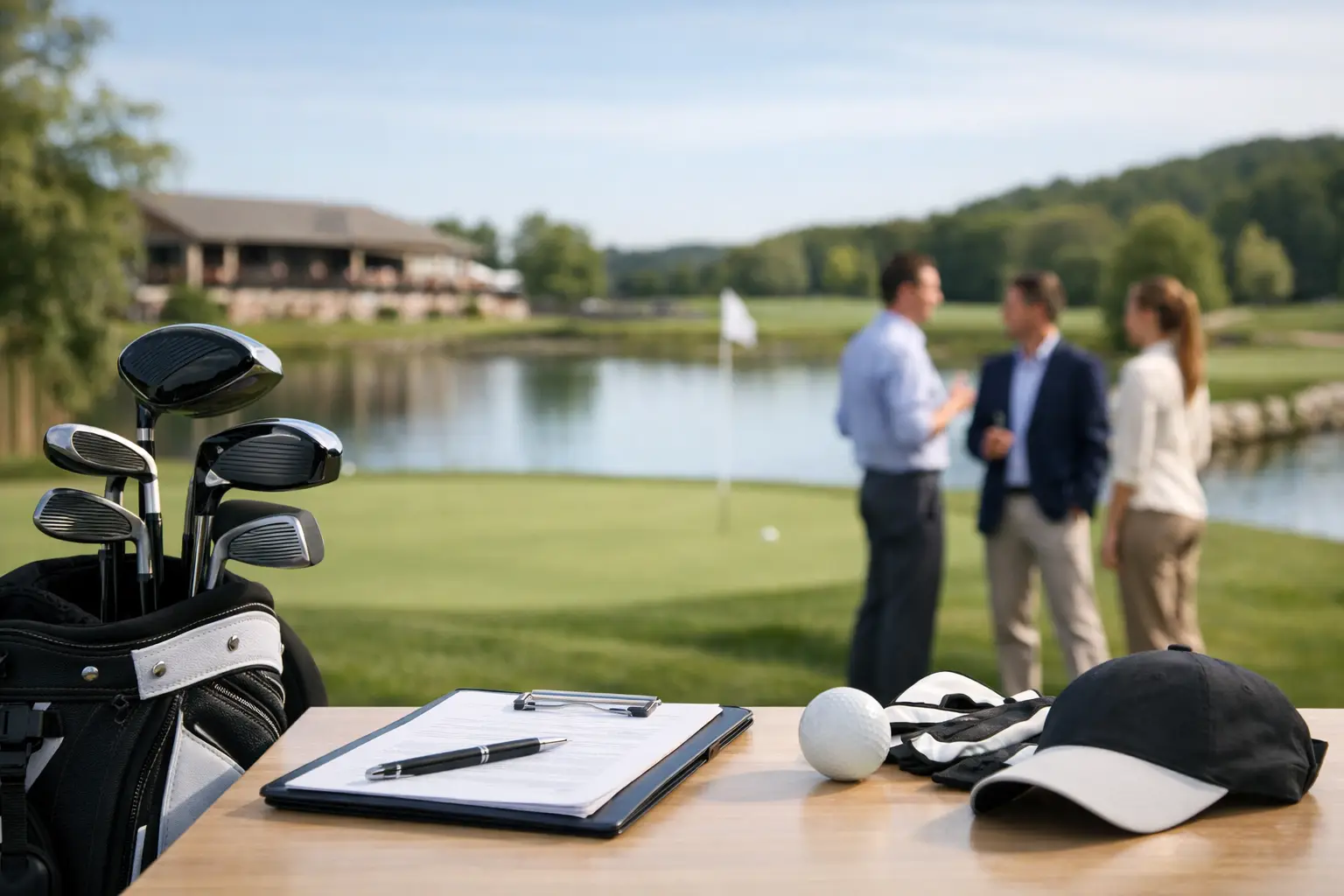
The fastest way to lose a room full of employees or clients is to call something a golf event and deliver little more than awkward small talk around a few mats. A strong corporate golf event venue does the opposite. It gives people an easy way to participate, keeps the energy moving, and creates a setting that feels polished enough for business while still being relaxed enough for real conversation.
That balance is harder to get right than it sounds. Some venues lean too far into entertainment and lose the quality serious golfers expect. Others feel so technical or formal that newer players hesitate to join in. The best choice usually sits in the middle – high-end, organized, and genuinely fun, with enough realism and structure to keep the event credible.
What makes a corporate golf event venue work
At a corporate event, golf is only part of the job. The venue also needs to support networking, timing, food service, group movement, and a wide range of comfort levels. That means your decision should go beyond whether people can hit balls.
A strong venue makes participation feel easy from the start. Experienced golfers should be able to enjoy real shot feedback, course-style play, and a competitive format that feels legitimate. At the same time, beginners should not feel like they need lessons just to join the event. If one group is impressed while the other is intimidated, the event will feel split.
This is where indoor simulator venues can outperform a traditional course for many corporate groups. Weather is controlled. Start times are predictable. Guests are not spread across several holes with limited interaction. You can actually hear people talk, keep branding and presentations in one place, and run contests without waiting on the pace of an entire course.
Why indoor golf often beats the course for corporate events
A traditional golf course still has its place, especially for all-day outings or charity scrambles with a large field. But for many companies, the better fit is a premium indoor space built around advanced simulation.
The biggest advantage is control. Outdoor events come with variables you cannot manage well – heat, wind, rain, pace of play, and transportation across a large property. In Arizona, that matters. A summer afternoon can turn an event into an endurance test rather than a team experience.
An indoor venue keeps the focus on the event itself. Guests arrive, settle in quickly, and start participating without the delays that can drag down a course-based outing. That tighter timeline is useful for leadership teams, client entertainment, sales meetings, and company celebrations where every hour matters.
There is also a social advantage. On a course, groups often separate for several hours. Indoors, people rotate through bays, contests, conversations, and food service in a shared environment. That creates more touchpoints between departments, clients, and leadership. If your goal is relationship building rather than simply logging 18 holes, that difference matters.
The technology question is not a small detail
Not every simulator venue delivers the same experience. For a corporate event, technology quality affects more than shot accuracy. It shapes how credible, engaging, and efficient the event feels.
High-end systems create a smoother event because they reduce friction. Auto-tee functionality keeps play moving. Fast ball tracking keeps guests engaged instead of waiting for results. Realistic graphics and course conditions make the experience feel premium rather than gimmicky. Features like moving swing plates and multi-surface hitting mats add another layer of realism, especially for golfers who know the difference between simple entertainment software and true simulation.
For mixed-skill groups, this matters in a different way. Better technology helps newer players understand what happened on each shot. It turns the simulator from a novelty into an experience that feels intuitive and rewarding. For stronger players, precise feedback and realistic lie conditions give them a reason to stay invested instead of treating the event like a watered-down version of golf.
At a venue built around performance technology, guests can enjoy both sides of the event. They can compete, socialize, and still see the kind of shot data and realism that makes the experience memorable.
Match the format to the people in the room
One of the most common planning mistakes is choosing the format before thinking through the guest list. A company event for avid golfers should not look exactly like a client mixer where half the room has never held a club.
If your group is highly experienced, you can lean into closer-to-the-pin challenges, simulator rounds on championship-style courses, and team competitions with real scoring. That gives the event energy without making it feel childish.
If the room is more mixed, shorter contests usually work better. Long-format play can leave beginners feeling exposed and stronger players waiting too much. A smart venue should be able to help you build an event that keeps everyone involved, whether that means skills challenges, rotating stations, or team-based formats that spread out the pressure.
This is also where instruction can add real value. A venue with PGA professional support can make the event more welcoming for new players without slowing it down. A quick coaching element or guided warm-up gives beginners a better first swing and makes the whole group more comfortable.
Look closely at flow, not just aesthetics
A polished space matters, but layout and event flow matter more. The best corporate golf event venue is one that can handle transitions well – arrival, check-in, food and drinks, presentations, play rotations, awards, and casual conversation.
If guests do not know where to go or what happens next, the event starts to feel improvised. That creates drag, especially for corporate groups that expect a premium experience. A good venue should make movement feel natural. Bays should be positioned for both play and conversation. Seating should support spectators as well as participants. Staff should be able to guide the event without constantly interrupting it.
This is where a purpose-built indoor golf facility stands apart from a general entertainment space. When the venue is designed for both golf and group experiences, the event feels sharper. The difference shows up in timing, energy, and how easily people stay engaged.
Food, service, and atmosphere carry more weight than people expect
A great golf setup cannot rescue poor hospitality. For corporate groups, service quality is often what people remember first. Was the staff attentive? Did the event stay on schedule? Did the space feel elevated enough to justify the invite?
The right atmosphere depends on the purpose of the event. A client-facing outing may need a more refined, upscale feel. An internal team celebration might call for a more relaxed tone with competition layered in. Neither is better by default. It depends on what you want guests to feel when they walk in.
What matters is consistency. If the golf technology feels premium but the service feels casual in the wrong way, the event feels mismatched. The strongest venues deliver both – strong hospitality and a serious, modern playing experience.
Questions worth asking before you book
Before you commit, ask how the venue handles different skill levels, how event timing is structured, and what support is included on-site. Ask whether the technology is built for realism or mostly for recreation. Ask how many guests can comfortably participate at once without long idle periods.
You should also ask how customizable the event really is. Some venues offer group bookings but very little flexibility in format. Others can tailor contests, pacing, instruction, and scoring to match your goals. That difference is often what separates a decent event from one people talk about afterward.
For companies in the Phoenix metro area, the weather-proof factor alone can justify looking closely at indoor golf. But the better reason is experience design. A premium simulator venue can give your group more consistency, more interaction, and a more modern event structure than many outdoor options.
A facility like 24 Precision Golf shows what that can look like when the focus is not just entertainment, but realism, pace, and elevated group experience. That matters when your event needs to impress golfers, welcome beginners, and still feel like a smart business decision.
The right choice is the venue that makes people want to participate, not just attend. If your guests leave talking about the competition, the realism, and the quality of the experience, you picked well.
Sources and further reading
- Evidence-based team-development interventions American Psychological Association
- Corporate and group events 24 Precision Golf
- Golf participation and industry facts National Golf Foundation