How to Find Junior Golf Camps Near Me
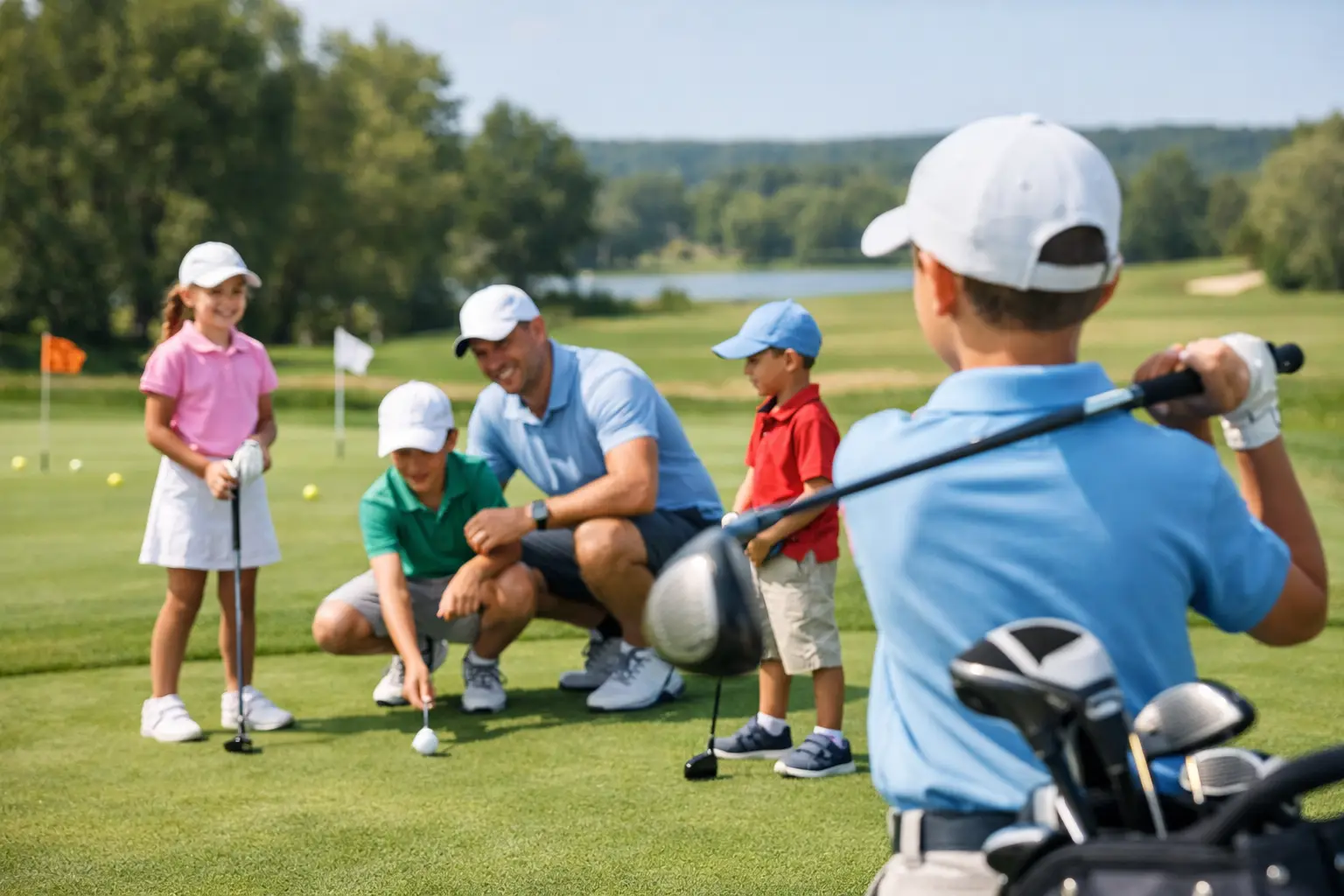
Not all searches for junior golf camps near me lead to the same kind of program. Some camps are built for basic summer activity. Others are designed to help young players actually improve, with structured coaching, measurable feedback, and an environment that keeps them engaged from the first session to the last. If your goal is more than just filling a week on the calendar, knowing what separates a quality camp from a forgettable one matters.
For parents, the challenge is rarely finding a camp. It is finding the right one. Golf has a long learning curve, and juniors respond best when instruction is organized, age-appropriate, and consistent. A good camp should feel fun, but it should also have a clear plan for developing athletic movement, swing fundamentals, course awareness, and confidence.
What to Look for in Junior Golf Camps Near Me
The best junior camps balance energy with structure. Kids need a setting that feels welcoming, but they also need coaching that is intentional. A camp with no clear instruction model may keep juniors busy without helping them build real skills.
Start with the coaching itself. Ask who is teaching, how groups are organized, and whether the camp is designed for true beginners, developing players, or competitive juniors. A mixed-level camp can work well, but only if coaches can separate instruction based on age and ability. Otherwise, newer players get overwhelmed while stronger players get bored.
The next factor is feedback. Junior golfers improve faster when they can connect feel to results. That is where more advanced training environments have an edge. High-level simulator systems, launch data, and impact video can make instruction more understandable for juniors because they are not just hearing corrections. They are seeing them.
That does not mean every child needs a highly technical camp. It does mean that better tools often lead to better teaching. When a coach can show club delivery, strike quality, and ball flight patterns in real time, lessons become more precise. For a junior player, that often translates into faster progress and less frustration.
Why Camp Format Matters More Than Most Parents Expect
A one-day clinic and a multi-day camp serve different purposes. Short clinics can be excellent for exposure, especially for younger kids who are just trying golf for the first time. But if your child is looking to build repeatable skills, a camp with multiple sessions usually provides better results.
Repetition matters in golf. Juniors need enough time to hear a concept, try it, adjust, and try again. A camp that runs across several days gives coaches a chance to reinforce key movements instead of introducing a new idea every hour. That kind of continuity is especially helpful for grip, setup, contact, and short-game fundamentals.
There is also a practical side to camp format. Outdoor programs can be great when weather and course conditions cooperate, but they are not always predictable. In Arizona, summer heat can turn a good plan into a draining experience for kids. Indoor training environments solve some of that problem. A premium simulator facility can keep the focus on learning, comfort, and consistency without losing the realism that helps juniors transfer skills to the course.
The Best Camps Make Golf Easier to Understand
Golf is hard enough for adults. For juniors, it becomes much harder when instruction is vague. Telling a child to “turn more” or “stay down” often creates confusion unless the coach can explain and demonstrate what that means.
That is where technology-forward camps stand out. A system with moving swing plates, high-speed cameras, and realistic turf conditions can make abstract ideas easier to grasp. Juniors can feel how balance changes on uneven lies. They can see impact position frame by frame. They can hit from different surfaces instead of learning from a single flat mat that does not reflect real golf.
This kind of realism is not about making camp feel flashy. It is about building better habits. When training conditions mirror actual play more closely, juniors develop skills that transfer. That includes contact, posture, adaptability, and shot planning.
At a premium indoor facility, those advantages also come with efficiency. Auto-tee systems keep sessions moving. Accurate shot tracing holds attention. Coaches can spend less time resetting balls and more time teaching. For kids, that means fewer dead moments and more active learning.
How to Tell if a Junior Camp Is Truly Development-Focused
A strong camp should be able to explain what juniors will work on beyond “full swing.” Golf development is broader than that. Good programs usually include putting, chipping, basic rules, course etiquette, and some level of competitive play or skill games.
The best camps also understand motivation. Younger children often respond to variety and movement. Older juniors may want performance goals, scoring challenges, or measurable benchmarks. Neither approach is wrong. It just depends on the player.
If your child is newer to the game, look for a camp that emphasizes athletic fundamentals and confidence. Too much technical information too early can make golf feel rigid. If your child already plays regularly, ask whether the camp includes data-driven instruction, video review, and progression tracking. More experienced juniors benefit from coaching that is specific enough to address patterns instead of offering generic tips.
This is one reason many families are moving beyond traditional range-based camps. A well-run indoor program can combine instruction, gameplay, and measurable feedback in a way that feels modern and purposeful. For juniors who like seeing results on screen and understanding cause and effect, that format can be especially effective.
Questions to Ask Before You Book
Before choosing from the list that appears after you search junior golf camps near me, it helps to ask a few direct questions. How many juniors are in each group? What is the coach-to-student ratio? Is the camp beginner-friendly, or does it assume prior experience?
You should also ask how the camp handles engagement. Young players lose focus quickly when there is too much standing around. The strongest camps keep kids moving between stations, games, drills, and play-based learning. That pacing matters almost as much as the lesson plan.
Safety and comfort are worth asking about too. Indoor programs can offer a controlled environment that removes weather, heat, and pace-of-play issues from the equation. That can be a major benefit for parents who want dependable scheduling and for juniors who learn better when they are not battling the elements.
Finally, ask what happens after camp ends. Some camps are one-and-done experiences. Others create a path into lessons, leagues, practice sessions, or ongoing junior development. If your child enjoys the game, that next step is valuable. Momentum is easier to maintain when there is a clear way forward.
A Better Fit Usually Beats a Bigger Name
Parents sometimes assume the best camp is the one attached to the biggest facility or the most familiar golf brand. That is not always true. A smaller, more focused program with stronger coaching and better training tools can be a much better fit for junior development.
Look closely at the experience your child will actually have. Will they receive individual feedback? Will the environment help them stay engaged? Will the instruction match their skill level and personality? Those answers matter more than marketing language.
For many families in the Phoenix metro area, the right camp is one that blends real coaching with modern training technology and year-round reliability. That combination gives juniors a chance to enjoy the game while building skills in a setting that feels polished, comfortable, and performance-driven. A facility like 24 Precision Golf can offer that kind of environment when parents want more than a basic summer activity.
The right junior golf camp should leave your child excited to come back, not relieved that it is over. When a program combines expert coaching, realistic practice, and a format built for how kids actually learn, golf becomes easier to stick with – and much more rewarding over time.
Sources and further reading
- American Development Model: Learn to Play PGA of America
- A parent's guide to working with a PGA coach PGA of America
- Junior golf programs 24 Precision Golf