Indoor Golf Tournaments That Feel Real
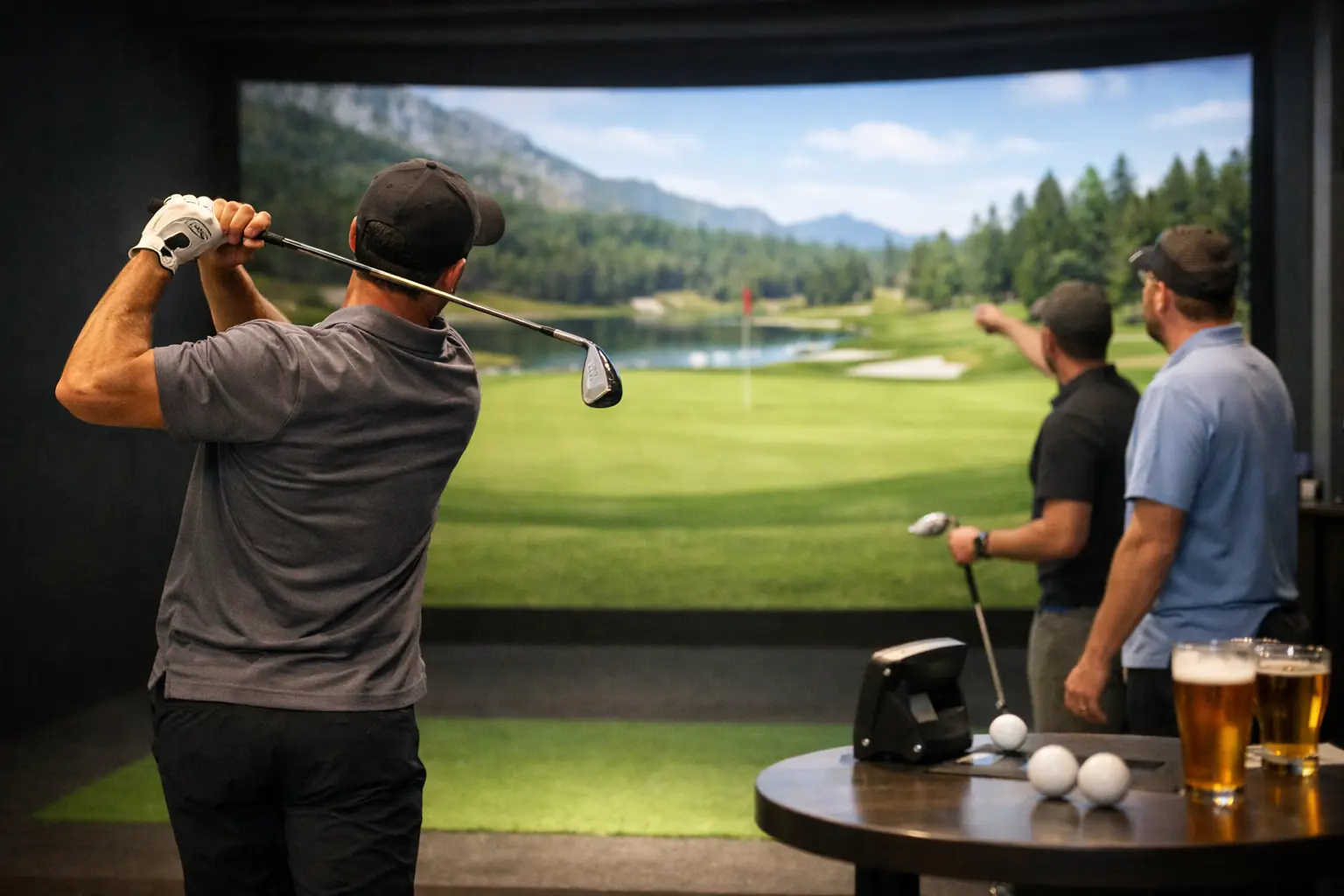
A good tournament has tension in the room before the first shot is hit. You can feel it when players start checking pairings, talking strategy, and sizing up a leaderboard. The difference with indoor golf tournaments is that none of that energy depends on daylight, course conditions, or a six-hour block on the calendar. The competition still feels real. In the right simulator environment, it often feels sharper.
That is why more golfers, event planners, and league players are taking indoor tournament formats seriously. They are not just a backup plan for bad weather. They are a more controlled, more efficient way to compete, practice under pressure, and bring people together around the game.
Why indoor golf tournaments are gaining ground
Traditional events still have their place. Nothing replaces walking a course, reading wind, and managing a full round outdoors. But tournament golf is not only about scenery. It is about decision-making, execution, consistency, and handling pressure. Indoor play can test all of that while removing variables that do not actually make competition better.
Weather is the obvious advantage. In Arizona, summer heat can turn a simple event into a test of endurance, while other parts of the country deal with cold, rain, and short winter days. Indoor tournament play gives organizers a dependable calendar. Players know the event is on. That reliability matters for leagues, member competitions, junior programming, and corporate gatherings where schedules need to hold.
Then there is pace. A simulator tournament can move with purpose. Tee times are tighter, transitions are cleaner, and players get more action in less time. For adults balancing work, family, and limited free hours, that is not a small benefit. It is often the reason they say yes to competing in the first place.
The other major shift is technology. Older simulator setups could feel more like arcade golf than serious play. That gap has narrowed fast. High-end systems now deliver precise ball data, realistic visuals, lie-based shot conditions, and a much stronger connection between swing quality and result. When the technology is accurate, the tournament carries more credibility.
What makes indoor golf tournaments competitive
The best indoor events are built on consistency and realism. Every player gets the same environment, the same course setup, and the same measurement standards. There is no lucky bounce off a sprinkler head and no mystery about yardage. That does not make scoring easier. It makes outcomes cleaner.
This is where premium simulator technology changes the experience. Systems that use high-speed impact cameras, moving swing plates, and multi-surface hitting mats create a version of tournament golf that asks players to adjust, not just swing freely from a perfect lie every time. If the virtual ball is in the rough or on an uneven stance, the hitting surface should reflect that challenge. Otherwise, the event becomes less about golf and more about target practice.
That realism matters for better players, but it also helps newer golfers understand the game faster. They can see ball flight, receive immediate feedback, and connect contact quality to result without waiting until the next hole to piece together what happened. In a tournament setting, that creates a more engaging and more educational experience.
There is also a psychological edge to indoor competition. With leaderboard displays, defined formats, and constant shot visibility, pressure arrives quickly. You are not wandering between holes and resetting for ten minutes. You are hitting, reacting, and staying in the moment. For players who want to improve competitive focus, that environment can be extremely useful.
Formats that work best for indoor golf tournaments
Not every tournament format translates equally well indoors. The strongest ones match the pace and rhythm of simulator play.
Stroke play is the most straightforward option. It works especially well for serious players who want a clear individual result and a true scoring test. Stableford can be even better for mixed-skill groups because one bad hole does not wreck the round, and players stay engaged longer.
Scrambles are excellent for corporate events, social groups, and mixed-experience fields. They lower the pressure, keep teams moving, and create more shared moments. If the goal is energy and participation, scramble formats usually outperform strict individual competition.
Closest-to-the-pin contests and long-drive challenges also fit naturally into indoor events. They are fast, measurable, and easy to layer into a larger tournament night. For many venues, these side competitions add just enough variety without slowing the main event.
League-based tournament series are another smart format. Instead of treating each event as a one-off, facilities can run weekly or seasonal standings that build familiarity and momentum. Players return because they are chasing more than one score. They are chasing position.
Why the venue matters more than most people think
There is a big difference between playing a simulator round and competing in a tournament environment designed for golf. The room, the technology, the speed of setup, and the quality of feedback all shape whether the event feels polished or forgettable.
A premium facility should reduce friction. Auto-tee functionality keeps play moving. Accurate launch and impact data reduces disputes and guesswork. Well-calibrated systems create trust. If players are second-guessing reads, distances, or spin numbers, the tournament loses authority.
Instruction and event support also matter. In some settings, staff simply start the bay and let the group figure it out. That may be fine for casual entertainment, but tournaments benefit from structure. Clear rules, active scoring oversight, and knowledgeable support make the experience feel organized from the opening shot to the final leaderboard.
This is one reason performance-focused facilities stand apart. A venue built around realistic training and competitive golf naturally hosts stronger events than one built mainly for casual nightlife traffic. Serious golfers notice the difference immediately, and newer golfers tend to enjoy it more too because the experience feels intentional rather than chaotic.
Who indoor golf tournaments are actually for
There is still a misconception that indoor events only appeal to hardcore golfers chasing data. In practice, the format has a much wider reach.
Competitive amateurs like indoor tournaments because they can sharpen decision-making and pressure management without losing a full day. Recreational players appreciate the social side and the chance to compete in a more approachable setting. Beginners often find simulator events less intimidating than showing up at a traditional tournament course where pace, etiquette, and unfamiliar surroundings can raise the stress level.
Junior golfers are another strong fit. Indoor events give them structure, repetition, and measurable feedback in a controlled environment. Parents like the predictability. Coaches like the data. Young players benefit from a format that keeps them engaged and helps them connect performance to outcomes.
Corporate groups also get real value from indoor tournament play. A standard happy hour can blur together. A well-run tournament gives people a shared objective, natural conversation, and just enough competition to make the event memorable. It feels more elevated, especially in a polished venue where the experience reflects well on the organizer.
How to choose the right indoor tournament experience
If you are deciding where to play or host, start with one question: is this built for golf, or just built around golf? That distinction affects everything.
Look at the simulator technology first. Realistic ball tracking and course rendering are expected, but advanced features like moving swing plates, high-speed cameras, and true lie replication separate premium competitive environments from basic simulator setups. The more accurately the bay reflects on-course conditions, the more meaningful the tournament becomes.
Next, consider the event design. A good indoor tournament should have a clear format, visible scoring, fair rules, and enough support to keep the night moving. The best venues know how to serve both strong players and casual participants without making either group feel out of place.
Finally, think about what success looks like for your group. If you want serious competition, prioritize realism and scoring integrity. If you want client entertainment or team bonding, prioritize pacing, hospitality, and accessibility. Sometimes those goals overlap. Sometimes they do not. The strongest events are the ones that are designed with the audience in mind rather than trying to force every group into the same mold.
At facilities like 24 Precision Golf, that balance works because the technology supports real performance while the setting still feels social, modern, and welcoming. That combination is what gives indoor competition staying power.
Indoor golf tournaments are not replacing traditional golf. They are solving a different problem with surprising precision. They make competition easier to schedule, easier to join, and, when done well, easier to take seriously. If you want more reps under pressure, a better event format, or a sharper way to bring golfers together, the smartest tournament on your calendar may be the one played indoors.
Sources and further reading
- Rules of Golf United States Golf Association
- GOLFZON simulator technology GOLFZON
- The golf simulator market: trends and insights National Golf Foundation